
Punta Arenas weather and the crossing to Magdalena
Punta Arenas weather calls for preparation for cold, strong wind and rapid changes, including during the island visiting season. For a boat trip to Isla Magdalena in Chile's Magallanes region, pack warm layers and protection from wind and rain. A seasonal temperature average helps you choose clothing; the conditions on the day determine what happens on the water.
The Strait of Magellan is the setting for the crossing, and low temperatures and strong winds are part of the official visitor guidance. Treat the journey and the island walk as outdoor parts of the same excursion. A comfortable moment in the city is not a reason to leave your waterproof layer, hat or gloves at your accommodation.
There are separate questions to answer when planning: whether your dates fall within the access season, what clothing to bring, and whether the departure can operate. The best time to visit guide deals with the seasonal decision. This page explains the climate background and practical preparation; the boat tour guide compares the excursion arrangements.
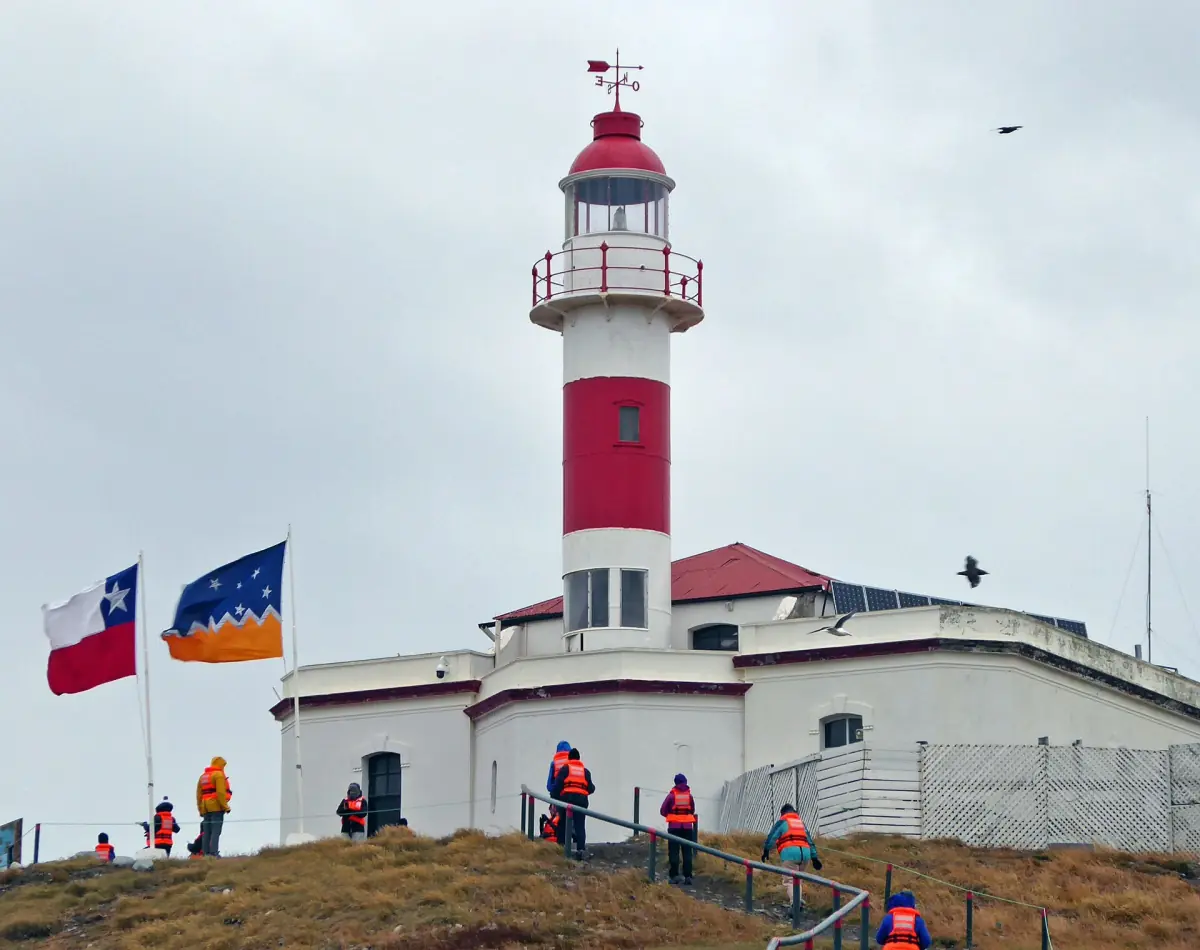
Read the airport climate figures correctly
The monthly figures below refer to Punta Arenas Airport and the reference period 1991 to 2020. They are not measurements on Isla Magdalena or a forecast for your visit. DMC supplies the published monthly normal minima. The approximate maxima are derived from DMC's rounded daily normal maximum temperatures, rather than directly published monthly maximum normals.
Monthly precipitation totals come separately from the Japan Meteorological Agency's climate normals for the same reference period. The columns therefore represent different official evaluations, not one uniform island weather series. Minimum and maximum temperatures describe average daily lows and highs, not absolute extremes. A precipitation total is a monthly amount, not the probability that it will rain during your crossing.
A weather-dependent catamaran trip
This catamaran trip includes onboard guides and monument entry.
Hand-picked tours, booked through Viator. Prices are indicative starting prices in US dollars (as of October 2026). Tap a tour for live availability and the current price in your currency.
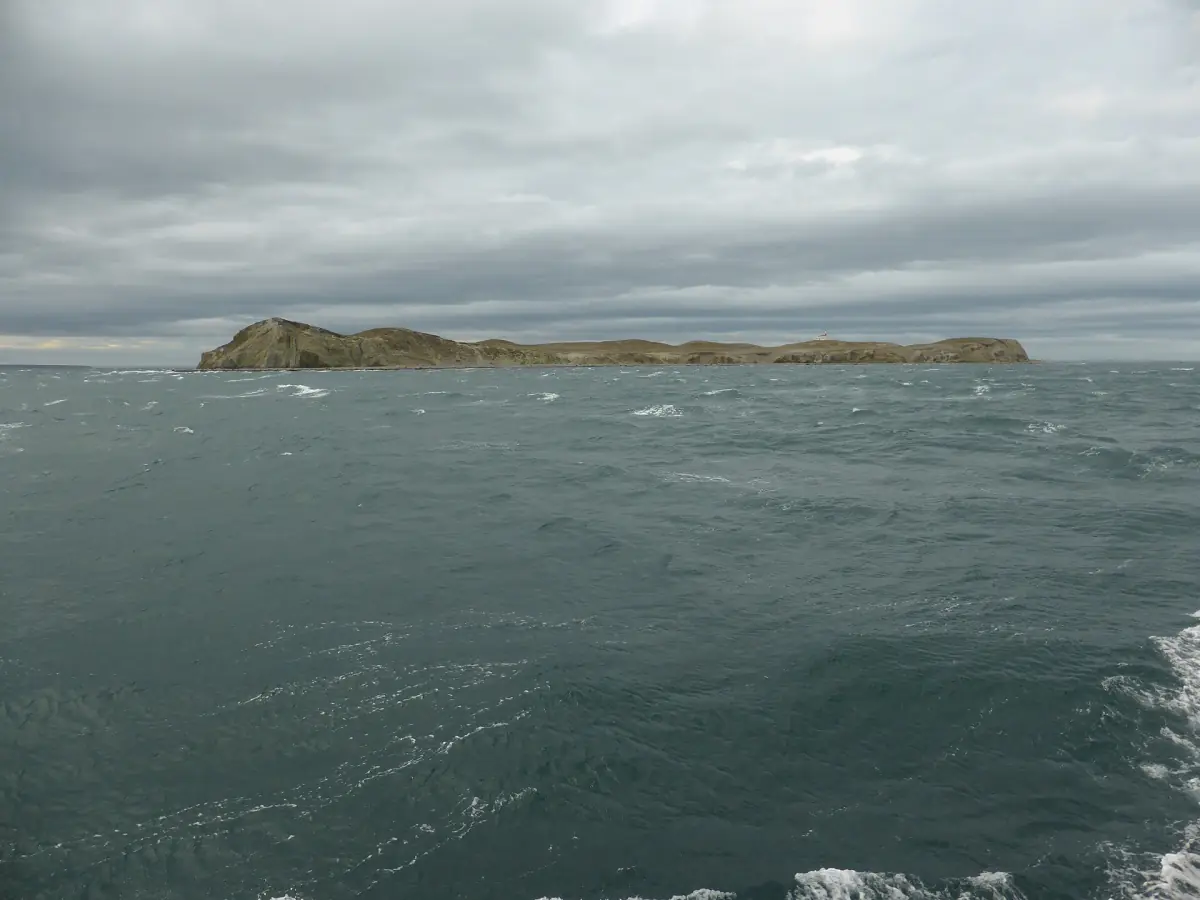
A catamaran visit to Magdalena
This excursion includes a catamaran crossing, bilingual onboard guides, port taxes, monument admission and a walk among the penguins. Sailing remains weather-dependent.
Monthly climate normals at Punta Arenas Airport
| Month | Approximate high °C, derived from DMC | Normal low °C, DMC | Monthly precipitation mm, JMA |
|---|---|---|---|
| January | ≈15.3 | 6.9 | 34.2 |
| February | ≈14.8 | 6.6 | 29.2 |
| March | ≈13.0 | 5.4 | 39.8 |
| April | ≈10.1 | 3.5 | 45.6 |
| May | ≈6.9 | 1.5 | 40.8 |
| June | ≈4.3 | −0.5 | 30.3 |
| July | ≈4.2 | −0.7 | 32.9 |
| August | ≈5.7 | 0.1 | 28.4 |
| September | ≈8.3 | 1.4 | 23.9 |
| October | ≈10.8 | 2.7 | 24.3 |
| November | ≈12.9 | 4.5 | 23.2 |
| December | ≈14.3 | 5.8 | 29.6 |
Use these values as a broad packing reference. The summer figures still support bringing warm clothing, while the winter rows describe the airport climate rather than an invitation to visit the seasonal colony. Sailing and landing decisions depend on the conditions on the day, rather than the month selected from this table.
Layers, waterproofs and sturdy shoes
Warm waterproof clothing, a hat, gloves and suitable footwear are the practical starting point. Several layers let you adjust your clothing as conditions change. Keep the wind and rain protection available for the crossing and the island path, rather than treating it as equipment only for a visibly rainy morning. Thermal clothing and sturdy shoes also match the official advice for the monument.
Preparation must fit the protected setting. Stoves, cigarettes and other heat sources are prohibited. The protected-area administration lists no accommodation, food service, electricity or telecommunications on Magdalena. Arrange your stay in Punta Arenas and prepare your equipment before leaving. The accommodation logistics guide explains how your city base relates to the departure meeting point.
Allow for cancellations and route changes
Wind and changing sea conditions can lead to cancellations. A catamaran excursion remains subject to the weather; choosing that boat type does not establish that it will operate in all conditions. Where a route includes observation at Isla Marta, that part can change or be omitted. Landing on Marta is prohibited, so its wildlife is observed from the boat.
Keep onward arrangements separate from a promised return connection and leave room in the travel plan for disruption. As of 6 November 2026, the announced protected-area season is 15 October 2026 to 31 March 2027. Those dates define the access window rather than guaranteeing each departure. For the birds themselves, the Magellanic penguin guide explains seasonal behaviour without turning climate averages into wildlife promises.
Weather questions before a boat trip
Are these climate figures measured on Magdalena?
They refer to Punta Arenas Airport, with a 1991 to 2020 reference period. They provide climate context, not island measurements or a daily forecast.
What should I wear?
Bring warm layers, waterproof clothing, a hat, gloves and sturdy suitable shoes. Expect wind and rapid changes even within the visiting season.
Are catamaran departures weather-dependent?
Departures remain weather-dependent. Cancellations and changes to route sections are possible, so allow flexibility around the excursion.